

- Home
- About
- New Patients
- Appointments
- Services
- Contact
Nutrition Counseling
Nutrition counseling at Team Care LLC is one to one, built around what you actually eat, and adjusted as your weight and medication change. No printed meal plan, no elimination diet, no foods banned for the sake of it.
Most patients come to us alongside GLP-1 treatment. Medication reduces how much you eat. It does not decide what you eat or protect your muscle while you lose. That is what these sessions are for.
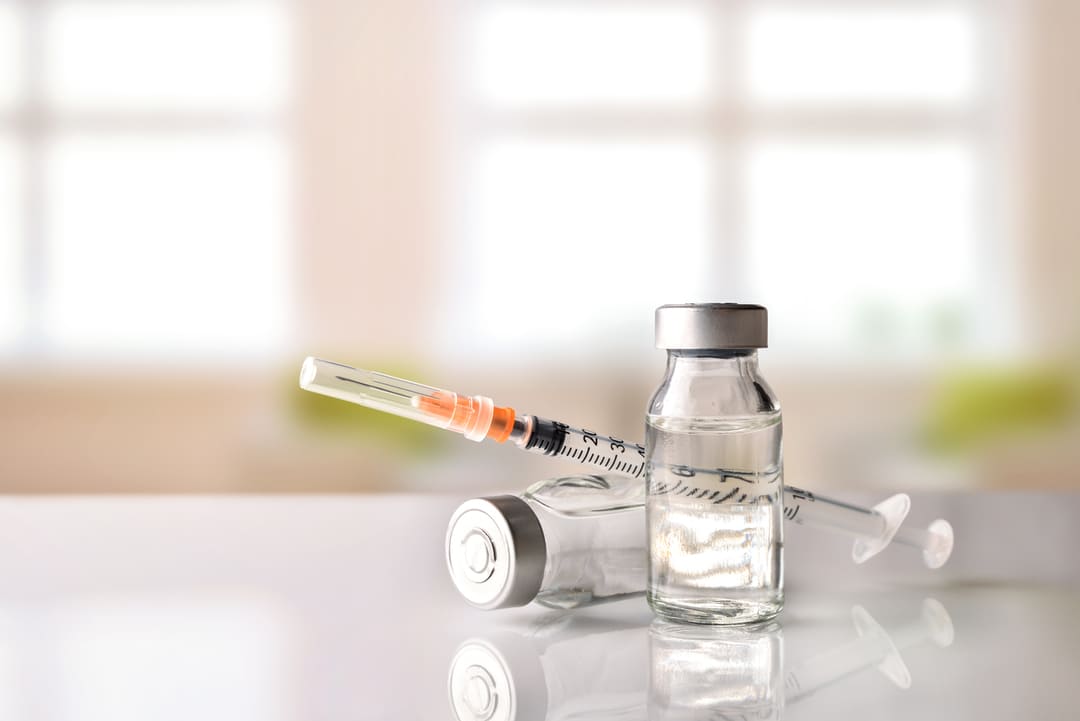

At Team Care LLC, semaglutide is prescribed and monitored by a licensed provider in Oklahoma City. You get a full medical evaluation before your first dose, a titration plan matched to how you respond, and scheduled reviews. Not an online form and a package in the post.
Every plan covers five things:
Sessions run alongside your medical reviews so your provider and your nutrition plan are working from the same numbers.
Sixty minutes. Bring a rough picture of three typical days of eating, your current medication and dose, and any recent bloodwork.
We cover:
What you eat now, including the parts you would rather not mention
Your weight history and what has and has not worked before
Medication, current dose and any GI symptoms
Schedule, cooking ability, budget and who else you cook for
Bloodwork gaps worth closing
You leave with a protein target, a starting structure and two or three specific changes. Not twenty. Two or three that you will actually do.
Follow-ups are 30 minutes, usually every two to four weeks during titration, then monthly.
Protein first. Everything else is arranged around hitting your target.
Then fibre and fluid. Constipation is the most common reason people stop tolerating GLP-1 medication, and it is largely preventable.
Then the rest of your intake. Built from food you already eat and can afford, not a shopping list from a magazine.
We work in your actual life. Ten hour shifts, a family that eats separately, no time to cook on weekdays, a restaurant habit you are not giving up. Plans that ignore those constraints get abandoned in three weeks.
Adjustments happen as your dose changes. What worked at 5 mg often fails at 12.5 mg, because your appetite is not the same.
Appetite suppression creates a specific problem. You are eating far less, so unless the composition of what remains changes, you fall short on protein, fibre and several micronutrients at the same time.
Practical rules that hold up during titration:
Alcohol worsens nausea and displaces protein. Many patients find they want it less anyway.
This is the part that gets ignored, and it has real consequences.
Body composition substudies of GLP-1 trials found that lean mass accounted for roughly 25 to 40 percent of total weight lost, depending on the trial and population. Some lean mass loss is normal in any weight loss. That range is at the high end, and it is influenced by what you do about it.
Losing muscle lowers your resting metabolic rate, which makes regain easier. In older patients it also affects strength, balance and fall risk.
What we do about it:
If you cannot hit your target from food while appetite is suppressed, protein supplementation is the practical answer and we help you pick one.
Nutrition counseling in Oklahoma City at Team Care LLC is a good fit if you:
If you have a history of an eating disorder, tell us at intake. Structured weight loss is not appropriate for everyone, and we will refer rather than proceed if that is the right call.
Pairs well with weight loss coaching if accountability, not information, is the gap.