
A medical weight loss clinic treats weight as a clinical condition rather than a willpower problem. That means a licensed provider evaluates you, reviews your health history, and prescribes medication only if it is appropriate for your situation. In Oklahoma City you have real choices: hospital metabolic programs, independent clinics, and telehealth providers licensed in Oklahoma.
The quality gap between them is wider than most people expect.
Most people searching for the best weight loss clinic in Oklahoma City start by comparing prices. I understand why, but it is the wrong place to start. The cheapest program in town is worthless if nobody follows up with you in week six. The expensive one is a bargain if it actually works. What separates the two is not the price tag, it is who evaluates you, how often you are seen after that, and whether anyone picks up the phone when something feels off. Here is how to tell the difference before you hand over a card, and where a proper medical weight loss program in Oklahoma City should fit into the decision.
What Makes a Clinic “Medical” in the First Place
Nothing, legally. The term is not regulated, so any business can put it on a sign.
In practice, a real medical program has four parts: a licensed provider who actually evaluates you, a documented health history, a plan built around your situation, and scheduled follow-up with the same practice. Miss any one of those and you have a retail transaction with a prescription attached.
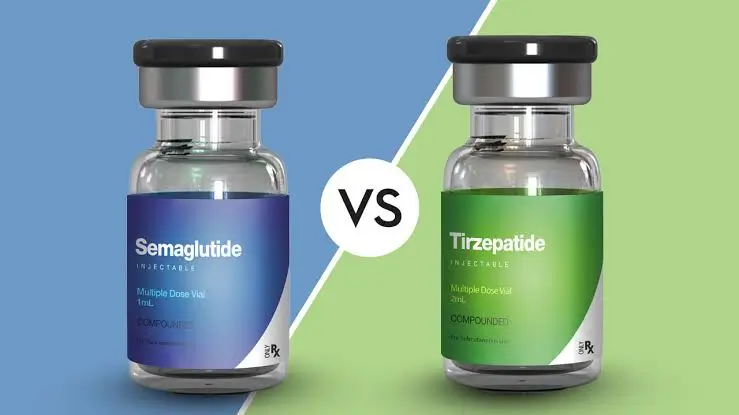
This matters more with GLP-1 medications like Ozempic/ semaglutide and zepbound/tirzepatide. They change how your appetite works and how quickly your stomach empties. They also carry contraindications, including a personal or family history of medullary thyroid carcinoma. Those are not questions a checkout page asks.
7 Things to Check Before You Book
1. Find out who is actually prescribing
Ask for the credential, not the job title. Physicians, nurse practitioners, and physician assistants licensed in Oklahoma can prescribe. A “wellness consultant” cannot.
Some clinics run intake through non-clinical staff and route the prescription past a provider you never speak to. Ask two questions: will I actually talk to the person prescribing, and are they licensed in Oklahoma? Any clinic worth considering will happily tell you exactly who you will be seeing. For telehealth, the Oklahoma license is what matters, not where the company keeps its office.
2. Ask whether there is a real evaluation
A proper first visit goes through your medical history, current medications, what you have already tried, thyroid and metabolic history, and anything that rules a medication out. It takes time.
If the whole intake is a three-question form and an instant approval, that is not an evaluation. That is a shopping cart with a stethoscope drawn on it. Ask how long the first consultation runs and what gets covered. If you are still unsure whether you need clinical help at all, there are clear signs that point to seeing a doctor about weight rather than trying another diet.
3. Check whether lab work is part of the process
Weight gain is not always behavioral. Thyroid dysfunction, insulin resistance, and a long list of common medications all affect it. Labs catch those and give you a baseline to measure against.
Ask whether labs get ordered when medically indicated, what they cost, and whether a provider walks you through the results. A clinic that never orders labs is not evaluating you. It is guessing politely.
4. Get the total cost, not the headline price
Advertised prices leave things out. Usually the consultation, the labs, the medication, and sometimes shipping.
Ask what twelve weeks costs in total and what that figure includes. Then ask the follow-ups: membership fees, cancellation terms, and whether the price moves when your dose goes up. Most Oklahoma City clinics are cash-pay, because insurance coverage for weight loss medication in Oklahoma is patchy at best. Cash-pay is fine. Surprise add-ons in month two are not. You can see a full breakdown of what a weight loss program costs in Oklahoma City before you call anyone.
5. Ask what happens after week one
The first appointment is the easy part. Everything that determines whether this works happens later.
Find out how often you will be seen, whether those visits are included in what you already paid, how you reach your provider between appointments, and how long a reply usually takes. Dose adjustments, side effects, and the inevitable plateau all show up after month one. This is where structured weight loss coaching and real nutrition counseling separate a program from a prescription.
6. Ask where the medication comes from
There is a real difference between FDA-approved branded medication and a compounded formulation from a compounding pharmacy. Both have legitimate uses. You are entitled to know which one you are getting.
Ask which pharmacy supplies it, how it ships, whether the cost is included or billed separately, and what happens if a shipment goes missing. A clinic that gets vague here is telling you something.
7. Check whether the schedule fits your life
This sounds like a small thing. It is the biggest one.
People rarely quit these programs because the medication stopped working. They quit because the appointment was Tuesday at 2pm, the clinic is 40 minutes up I-35, and something came up. Ask about evening and weekend availability. Ask whether follow-ups can be virtual even if the first visit is not.
In Person or Virtual: What Actually Matters in Oklahoma
Forget which one is better. Ask which one you will still be using in month four.
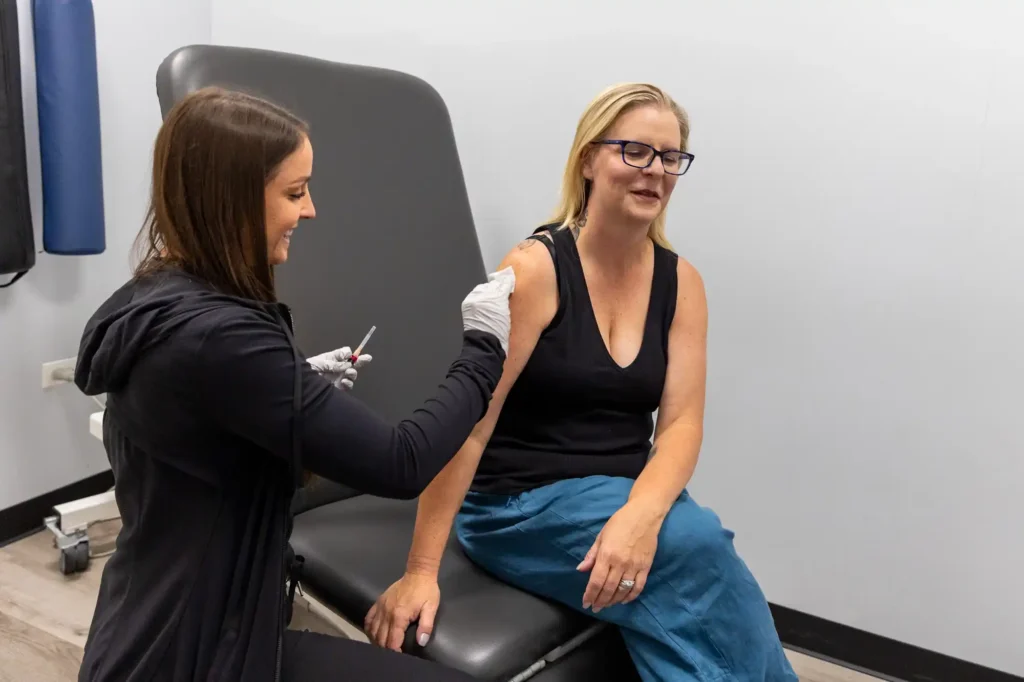
In-person clinics give you hands-on assessment, body composition measurement in the office, and injections administered for you. If your medical history is complicated, or you know you need the accountability of physically showing up, that is worth the drive.
Virtual clinics licensed in Oklahoma have the same prescribing authority with far less friction. If you are in Edmond, Norman, Moore, or anywhere outside the metro, a video visit removes the exact obstacle that makes people skip appointments. Medication arrives at your door. You can book after work. The benefits of virtual healthcare come down to consistency more than convenience. The trade-off is honest: your weight and measurements are self-reported, and nobody is examining you physically.
Both are legitimate. Pick the one you will keep showing up for.
Questions to Ask Before You Pay
Call, do not email. You learn more from how quickly someone answers than from what they write.
- Who is my prescriber, what is their credential, and are they licensed in Oklahoma?
- How long is the first consultation and what does it cover?
- Do you order labs, and what do they cost?
- What does twelve weeks cost in total, medication included?
- How often will I be seen after that, and are those visits already paid for?
- Is the medication branded or compounded, and which pharmacy fills it?
- How do I reach my provider between visits, and how fast do you reply?
- What happens if I need to pause or stop?
Red Flags Worth Walking Away From
- A prescription approved without you speaking to a provider.
- Vagueness about who prescribes and where they are licensed.
- Any guaranteed number of pounds, or any guaranteed timeline.
- A total price they will not give you before you commit.
- No follow-up schedule, or follow-ups billed one by one with no ceiling.
- Pressure to buy six months up front on day one.
- No clear way to reach someone about side effects.
Reading patient testimonials helps here, because follow-up quality is the thing patients mention most and the thing sales pages mention least.
What the Best Weight Loss Clinic in Oklahoma City Looks Like for You
There is no single best weight loss clinic in Oklahoma City, and anyone claiming the title is selling something. The right answer changes with the patient.
Someone managing a cardiac history needs in-person coordination. Someone working twelve-hour shifts needs evening telehealth or they will not go at all. Someone who has already washed out of three programs does not need a different drug, they need somebody checking in on week six.
The best clinic for you evaluates you properly, quotes a total price without flinching, tells you exactly when you are seen next, and stays reachable when something goes sideways. Every clinic worth your money can answer those four in one phone call. The ones that cannot just answered a fifth question you did not ask.
How TeamCare Approaches Weight Loss in Oklahoma
TeamCare is a virtual clinic serving Oklahoma and eight other states. Licensed providers, HIPAA-compliant video, evening and weekend appointments.
The 12-Week Metabolic Program starts at $155 and covers the provider evaluation, health history and metabolic review, medication management where it is clinically appropriate, nutrition and activity guidance, and scheduled check-ins. Semaglutide and tirzepatide are prescribed only when medically appropriate, after a provider evaluates you. Labs are ordered only when medically necessary and cost is $49. Prescribed medication ships to your home at no extra charge with supplies included. Cash-pay, no membership fees, no insurance billing. B12 injections and other weight loss medications are also available.
Still deciding? Take the seven checks above, call two or three clinics, and see who answers cleanly. If you would like to talk through whether a virtual program fits your situation, you can book a consultation with a licensed TeamCare provider, including evenings and weekends. Our FAQs page covers eligibility, states served, and how the process works.
This article is for general education and is not medical advice. Talk to a licensed provider about your own circumstances. Individual results vary.
Frequently Asked Questions
What does a medical weight loss clinic in Oklahoma City cost?
It varies by what is bundled. Cash-pay programs generally run from around $150 to $499 a month depending on whether medication, labs and follow-up visits are included. Ask for the twelve-week total, not the monthly headline.
Does insurance cover medical weight loss in Oklahoma?
Often not. Many Oklahoma plans exclude GLP-1 medications prescribed for weight management, which is why most clinics run cash-pay. Check your plan documents, and ask any clinic whether they bill insurance before you book.
Can I get semaglutide (Ozempic) or tirzepatide (zepbound) online in Oklahoma?
Yes, if a provider licensed in Oklahoma prescribes it after evaluating you. Telehealth prescribing is legal here. What matters is the Oklahoma license and a real evaluation, not just an online form.
How long before I see results?
It depends on your starting point, your dose, and how consistently you stick with it. Most programs review progress at scheduled check-ins across the first twelve weeks and adjust from there. No clinic can honestly promise you a number.
Is a virtual weight loss clinic as effective as an in-person one?
The prescribing authority and clinical process are the same. The practical difference is whether you keep attending. Virtual removes the drive, which helps most people stay consistent. Complex medical needs are often better handled in person.