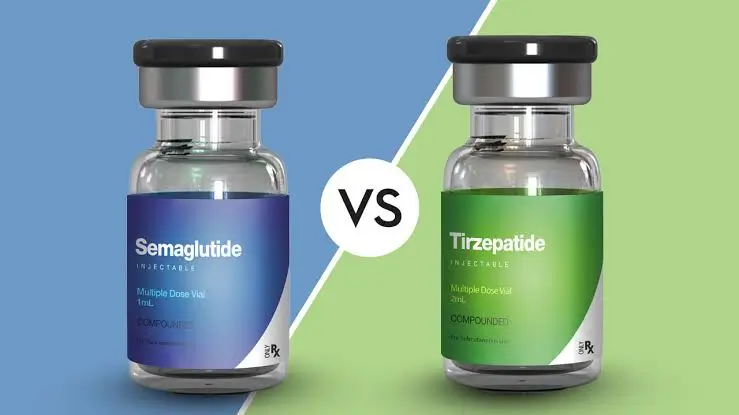


Non surgical alternatives to weight loss surgery include prescription medications such as tirzepatide and semaglutide, endoscopic procedures like the gastric balloon, and physician supervised programs. For many people these now produce results within reach of surgery, without anesthesia, a hospital stay, or permanent changes to the digestive tract.
For others, surgery remains the better option. Here is how to tell which group you are in.
What Weight Loss Surgery Actually Involves
Bariatric surgery is a category rather than a single operation. Four procedures account for nearly all of it.
| Procedure | What it does | Typical US cost | Reversible |
| Sleeve gastrectomy | Removes about 80% of the stomach | $9,000 to $21,000 | No |
| Roux-en-Y gastric bypass | Creates a small pouch and reroutes the intestine | $12,000 to $30,000 | Rarely |
| Duodenal switch | Combines a sleeve with intestinal rerouting | $15,000 to $35,000 | No |
| Adjustable gastric band | Places a band around the upper stomach | $10,000 to $18,000 | Yes |
Patients with insurance approval typically pay $500 to $5,000 out of pocket. Without approval, the full cost applies.
Recovery, risks and what is permanent
Nearly all of these are done laparoscopically, with one to two days in hospital and two to four weeks before normal activity resumes.
Risks are real but modest in experienced hands: anesthesia complications, bleeding, infection, blood clots, and leaks at surgical connections. Over the longer term, sleeve patients often develop reflux, bypass patients can experience dumping syndrome, and both need lifelong vitamin and mineral supplementation because absorption changes permanently.
Permanence is the part worth sitting with. A sleeve gastrectomy removes stomach tissue that cannot be put back. It is a decision that stays made.
Who Qualifies for Bariatric Surgery
In 2022, the American Society for Metabolic and Bariatric Surgery and the International Federation for the Surgery of Obesity updated their criteria for the first time in three decades.
Current thresholds are a BMI of 35 or higher regardless of any related condition, or a BMI of 30 to 34.9 with metabolic disease such as type 2 diabetes.
The previous 1991 criteria required a BMI of 40, or 35 with a related condition. Plenty of insurers still apply those older rules, which is why patients who meet current clinical guidelines get denied coverage anyway.
Even among people who clearly qualify, only 1% to 2% have surgery in any given year. Our guide to who qualifies for medical weight loss covers eligibility for the non surgical route, which is considerably broader.
Non Surgical Alternatives to Weight Loss Surgery
Prescription medication
The biggest change in this field has come from GLP-1 and dual-agonist medications.
In the SURMOUNT-1 trial published in the New England Journal of Medicine, participants taking tirzepatide lost an average of 16.0% to 22.5% of total body weight over 72 weeks, against 2.4% on placebo. A later head to head trial put tirzepatide at 20.2% against 13.7% for semaglutide.
These are prescription treatments with side effects, monitoring requirements and eligibility criteria. They suit some patients and not others. But a decade ago, nothing non surgical came close to those figures.
Endoscopic procedures
Two options sit between medication and surgery, both performed through the mouth with no incisions.
An intragastric balloon is placed in the stomach and removed after roughly six months, usually costing $3,500 to $8,000. Endoscopic sleeve gastroplasty uses sutures to reduce stomach volume by about 70%, at $8,000 to $15,000.
Insurance rarely covers either, and most weight loss clinics do not offer them, TeamCare included. They belong in this article because they exist, and because they are routinely misfiled as surgery when they are not.
Physician supervised programs
Medication performs better inside a structured program than on its own. Medical weight loss in Oklahoma City under physician supervision combines lab work, treatment of underlying conditions, nutrition support and regular monitoring.
Costs vary widely between programs, and our breakdown of weight loss program costs sets out what is usually included.
Combination approaches
The alternatives are rarely used alone. Medication handles appetite. Supervision handles what the labs reveal. Nutrition and resistance training protect muscle while the weight comes off. Our comparison of physician supervised and self directed approaches explains why the combination beats any single element.
Comparing Results Honestly
Why the numbers you see are usually not comparable
Most articles comparing surgery with medication compare two different measurements without saying so.
Surgical outcomes are typically reported as percent excess weight loss, meaning the proportion of weight above a target that a patient sheds. That produces figures around 60% to 70%.
Medication trials report percent total body weight loss, the proportion of starting weight lost. That produces figures around 15% to 22%.
Set side by side, surgery looks three to four times more effective. It is not. The two numbers are measuring different things.
The same measure, applied to both
| Approach | Approximate % total body weight loss |
| Semaglutide, 72 weeks | 13.7% |
| Tirzepatide, 72 weeks | 20.2% to 22.5% |
| Sleeve gastrectomy | roughly 25% to 30% |
| Gastric bypass | roughly 30% to 35% |
Surgery still produces more weight loss on average. The gap is a matter of degree rather than category, which was not true five years ago.
What the numbers leave out
Averages hide wide variation in both directions. Surgery gets there faster. Medication needs to continue for results to hold. Surgery carries its risk once. Medication carries side effects for as long as you take it.
How to Decide
Surgery may be the stronger choice if your BMI is 40 or higher, your type 2 diabetes is poorly controlled, medication has already been tried without adequate response, your insurance covers surgery but not medication, or another planned procedure requires substantial weight loss quickly.
Non surgical may be the stronger choice if your BMI falls between 30 and 40, you want to avoid anesthesia or anything irreversible, you have not yet tried medical treatment, your insurer has denied surgery, or you cannot take four weeks away from work.
If you have had surgery and regained weight, you have options that rarely get explained. Regain after bariatric surgery is common and is not a failure of the operation. Medication can be prescribed afterward, and for many patients that is a more sensible next step than revision surgery. Worth a conversation before a second procedure.
Talk Through Your Options in Oklahoma
Weight loss surgery is a reasonable choice for some patients and unnecessary for others. TeamCare does not perform surgery, which means we have no reason to steer you toward it or away from it.
If you are comparing providers, our guide to choosing a medical weight loss clinic in Oklahoma City is a sensible starting point. Then book an evaluation and find out where you actually stand.
Frequently Asked Questions
Can I try medication first and have surgery later?
Yes, and it is one of the strongest arguments for starting non surgically. Medication does not disqualify you from future surgery. Many insurers require documented non surgical attempts before approving an operation, so this route can strengthen a later claim rather than weaken it.
Can medication replace weight loss surgery?
Sometimes. Tirzepatide averages 20.2% to 22.5% total body weight loss against roughly 25% to 30% for a sleeve gastrectomy, so the two now overlap. Patients needing very large weight loss, or with poorly controlled diabetes, may still do better with surgery.
Does insurance require a supervised diet before approving surgery?
Many Oklahoma plans do, commonly three to six consecutive months of physician supervised weight management with documented visits. Check the exact requirement with your insurer before starting, because gaps in documentation are a frequent reason claims get denied.
Is a gastric balloon considered surgery?
No. A balloon is placed endoscopically through the mouth, with no incisions and no permanent change to the stomach, then removed after about six months. Insurance rarely covers it.
Will insurance cover non surgical treatment if I qualify for surgery?
Not necessarily, and the mismatch frustrates a lot of patients. Some plans cover bariatric surgery while excluding weight loss medication entirely. Check coverage before choosing a path, because it may end up choosing for you.
What happens if I stop taking weight loss medication?
Weight is commonly regained, because the medication treats an ongoing condition rather than curing it. That is one of the genuine differences from surgery, where the anatomical changes persist. Plan for the long term from the start.