

The benefits of physician supervised weight loss come down to one thing dieting alone cannot do: treat the biological reasons weight comes back. A doctor can test for the conditions that make weight loss harder, review medications that cause weight gain, prescribe treatments that regulate appetite, and track whether you are losing fat or muscle. A diet plan does none of that.
That difference matters more than most people expect, and it has very little to do with discipline.
Why Dieting on Your Own Stops Working
Most people can lose weight on their own. Very few keep it off. Studies that follow people for five years after a diet consistently find that most of the weight returns.
A pattern that universal is not a character flaw. It is physiology.
Your body defends its weight. As you lose, your resting metabolism falls further than the weight loss alone predicts. You burn fewer calories at 180 pounds after dieting than someone who has always weighed 180 pounds. Researchers call this metabolic adaptation, and it can persist long after the diet ends.
Hunger changes with it. Weight loss lowers leptin, the hormone that signals fullness, and raises ghrelin, which drives appetite. Those shifts have been measured a full year later. You are not imagining being hungrier than you used to be.
So a diet that works beautifully for twelve weeks eventually meets a body burning less and asking for more. Willpower is left to overcome biology, indefinitely, without help.
Solving that is the entire point of medical weight loss in Oklahoma City under physician supervision.
The Benefits of Physician Supervised Weight Loss
Testing for what is making it harder
Before any plan gets written, a physician looks for the conditions quietly working against you.
| Test | What it can reveal |
| TSH and free T4 | Underactive thyroid |
| A1c and fasting insulin | Prediabetes, insulin resistance |
| Lipid panel | Cardiovascular risk |
| Liver enzymes | Fatty liver disease |
| Testosterone, PCOS markers | Hormonal drivers of weight gain |
| Vitamin D, B12, iron | Deficiencies affecting energy |
None of this is available to someone dieting alone. If an underactive thyroid is part of the picture, no amount of calorie counting corrects it. If bloodwork shows a B12 deficiency, B12 injections address the fatigue that has been undermining your energy for activity.
Reviewing medications that may be working against you
Patients are more surprised by this one than anything else.
Several common drug classes are associated with weight gain: certain antidepressants, some antipsychotics, corticosteroids, beta blockers, insulin and sulfonylureas, some anti-seizure medications, and some hormonal contraceptives.
Take one of these and weight loss is genuinely harder. No diet will ever explain why. A physician can review your full medication list and, where clinically appropriate, discuss alternatives with your prescriber.
Never stop or change a prescription on your own. That conversation belongs with the doctor who prescribed it.
Access to prescription treatment when appropriate
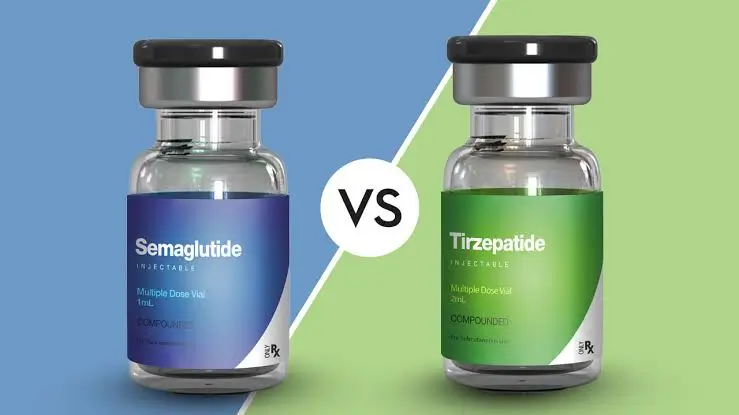
For patients who qualify, prescription options address appetite regulation directly. Two are commonly used: semaglutide and tirzepatide.
In the SURMOUNT-1 trial, published in the New England Journal of Medicine, participants taking tirzepatide alongside a reduced-calorie diet lost an average of 16.0% to 22.5% of body weight over 72 weeks, against 2.4% on placebo.
Those are trial averages, not promises. Medication is not right for everyone, carries side effects, requires monitoring, and works alongside nutrition and activity rather than replacing either.
Protecting muscle, not just lowering the scale
Rapid self-directed dieting costs lean muscle alongside fat. Less muscle means a lower resting metabolism, which makes holding the loss harder later.
Supervised programs track body composition rather than weight alone. Adequate protein and resistance training protect lean mass, which is why nutrition counseling is built into the plan rather than left to guesswork.
Regular contact that changes the plan
The US Preventive Services Task Force found that effective behavioral weight programs typically involve twelve or more contacts in the first year.
Frequency is the mechanism. When progress stalls, someone notices and adjusts. Structured weight loss coaching provides that correction. Dieting alone provides none, which is why a plateau so often ends the whole effort.
When Dieting on Your Own Is Enough
Self-directed weight loss works, and it is often the right place to start.
Twenty pounds to lose, no diagnosed conditions, no medications associated with weight gain, and a track record of sticking with changes once you make them? There is no reason to begin at a clinic.
Consider seeing a physician when:
- You have lost and regained the same weight three or more times
- Your BMI is 30 or higher, or 27 or higher with a related condition
- Blood pressure, blood sugar or cholesterol have moved the wrong way
- You take a medication associated with weight gain
- Months of consistent effort produce nothing
Our guide to who qualifies for medical weight loss covers the criteria in full. You can also start on your own and involve a physician later. Many patients do exactly that.
What a First Visit Involves
A first appointment covers your weight and medical history, a full medication review, baseline measurements including body composition, and lab work. Our guide to what to expect at your first weight loss appointment walks through it step by step.
The plan follows the results rather than preceding them. Follow-up is typically every two to four weeks at first, spacing out as things stabilize, with a maintenance phase built in rather than assumed.
If cost is part of your decision, our breakdown of weight loss program costs sets out what is usually included.
Talk Through Your Options
When dieting alone has stopped working, the reason is usually medical rather than personal. A physician can identify which part of the picture applies to you.
If you are comparing providers, start with our guide to choosing a medical weight loss clinic in Oklahoma City, then book an evaluation with TeamCare.
Frequently Asked Questions
Do I need a certain BMI to qualify?
Usually a BMI of 30 or higher, or 27 or higher with a related condition such as prediabetes, hypertension or sleep apnea. Criteria for specific prescription treatments are narrower, and eligibility is confirmed at your evaluation.
How is this different from a commercial weight loss program?
Commercial programs sell a plan. A physician diagnoses first, using labs, medical history and a medication review, then builds treatment around what those findings show. Commercial programs cannot order tests, cannot prescribe, and cannot adjust for a thyroid condition or a drug causing weight gain.
Do I have to take medication?
No. Medication is one option among several, and many patients are treated without it. Whether it fits depends on your history, your labs and your own preferences.
What happens after I reach my goal weight?
Maintenance is a treatment phase, not an ending. Metabolic adaptation persists, so ongoing support and periodic monitoring are what hold the loss in place. Any program that stops at your goal weight has stopped too early.