

The healthcare industry is rapidly evolving, and telehealth has emerged as a game-changing innovation. Patients no longer need to travel long distances or wait hours at a clinic to access quality medical care. Through virtual doctor consultations, telehealth provides faster, more convenient, and highly accessible healthcare solutions.
As technology continues to advance, telehealth is reshaping the way medical services are delivered, improving patient experiences, and creating a more efficient healthcare system. In this article, we will explore how telehealth is transforming healthcare and what the future of telehealth looks like.
What Is Telehealth?
Telehealth refers to the delivery of medical services using digital technology, including:
-
Video consultations with doctors
-
Remote patient monitoring
-
Secure messaging and chat services
-
Online appointment scheduling
This approach allows patients to receive professional healthcare from home, eliminating the need for in-person visits for many medical concerns.
Telehealth encompasses a wide range of healthcare services, including urgent care, weight management programs, dermatology, mental health support, and routine check-ups.
1. Increased Accessibility for Patients
One of the biggest advantages of telehealth is improved access to healthcare services, especially for:
-
Patients living in remote areas
-
Individuals with mobility challenges
-
Busy professionals who cannot easily visit clinics
By connecting patients with qualified healthcare professionals online, telehealth ensures that medical care is accessible to everyone, regardless of location.
2. Convenience and Time-Saving
Telehealth offers unmatched convenience. Patients can book appointments online, consult a doctor via video, and receive guidance without leaving their homes.
Benefits include:
-
Reduced travel time
-
Minimal waiting room time
-
Flexible scheduling options
-
Quick follow-up appointments
This level of convenience improves patient satisfaction and encourages individuals to seek medical advice more promptly.
3. Cost-Effective Healthcare Solutions
Telehealth can reduce the overall cost of medical care. By avoiding unnecessary in-person visits, patients save on:
-
Transportation and parking
-
Time away from work
-
Out-of-pocket expenses for minor consultations
Healthcare providers also benefit by optimizing staff resources and reducing overhead costs. Telehealth makes quality healthcare more affordable for patients and sustainable for providers.
4. Remote Monitoring and Continuous Care
Modern telehealth services include remote patient monitoring. This technology allows doctors to track vital signs, monitor chronic conditions, and adjust treatment plans without requiring patients to visit a clinic.
Remote monitoring benefits include:
-
Better management of chronic diseases
-
Early detection of health complications
-
Continuous personalized care
-
Increased patient engagement
This continuous care model enhances overall patient health outcomes.
5. Telehealth for Specialized Care
Telehealth is not limited to general consultations. It has expanded to specialized healthcare services, such as:
-
Online urgent care for minor illnesses
-
Medical weight loss programs
-
Skincare and dermatology consultations
-
Mental health counseling and therapy
Patients can now access experts in specific fields from virtually anywhere, eliminating geographic barriers to specialized care.
6. The Future of Telehealth Technology
The future of telehealth looks promising with emerging technologies, including:
-
Artificial intelligence (AI) for symptom analysis
-
Wearable devices for real-time monitoring
-
Advanced secure platforms for patient-doctor communication
-
Integration with electronic health records (EHR)
These innovations will make telehealth faster, smarter, and even more patient-centric, further revolutionizing the healthcare industry.
7. Telehealth and Patient Empowerment
Telehealth empowers patients to take active control of their health by:
-
Scheduling appointments easily
-
Tracking progress with remote monitoring tools
-
Accessing medical advice instantly
-
Making informed health decisions
Empowered patients are more likely to follow treatment plans and maintain healthier lifestyles, which improves overall outcomes.
Conclusion
Telehealth is transforming the way healthcare is delivered by making medical services accessible, convenient, cost-effective, and specialized. As technology continues to evolve, telehealth will play an increasingly important role in shaping the future of healthcare.
From virtual urgent care to online weight management programs and skincare consultations, patients now have more options than ever to access professional medical guidance from the comfort of home. The future of telehealth promises improved patient experiences, better health outcomes, and a more efficient healthcare system.
If you want to experience the benefits of telehealth, consider consulting with qualified healthcare professionals online and embrace the future of healthcare today.
Weight management can be challenging, and many people struggle to maintain a healthy weight on their own. While regular exercise and a balanced diet are essential, sometimes additional professional guidance is necessary to achieve safe and sustainable results.
A weight management doctor can help assess your individual needs, develop a personalized plan, and provide ongoing support to ensure long-term success. In this article, we will discuss key signs that indicate you should consult a doctor for weight management and explain the benefits of professional supervision.
1. Difficulty Losing Weight Despite Efforts
One of the most common reasons to see a weight management doctor is when you struggle to lose weight despite consistent efforts. This includes:
-
Following a healthy diet
-
Exercising regularly
-
Tracking calories and activity
If your weight remains stagnant or continues to increase despite these efforts, a professional assessment can help identify underlying causes and provide a personalized solution.
2. Rapid Weight Gain or Loss
Sudden changes in weight can be a sign of underlying health issues. Rapid weight gain or unexplained weight loss should not be ignored.
A weight management doctor can:
-
Evaluate metabolic or hormonal issues
-
Review your lifestyle habits
-
Recommend safe strategies for achieving a healthy weight
Early intervention helps prevent complications and ensures a sustainable approach to weight management.
3. Health Issues Related to Weight
Excess weight can contribute to several health problems, including:
-
High blood pressure
-
Type 2 diabetes
-
Heart disease
-
Joint pain or mobility issues
If you experience any of these conditions, consulting a weight management doctor is crucial. A professional plan can help reduce health risks while promoting gradual and safe weight loss.
4. Difficulty Maintaining Weight Loss
Many people can lose weight temporarily but struggle to maintain their results. This cycle, often called yo-yo dieting, can be frustrating and harmful to overall health.
A weight management doctor can:
-
Identify reasons for weight regain
-
Provide structured guidance
-
Suggest behavioral and lifestyle changes
Professional support ensures that weight loss results are long-lasting and healthy.
5. Hormonal or Metabolic Concerns
Hormonal imbalances and metabolic issues can make weight management challenging. Signs include:
-
Unexplained fatigue
-
Persistent cravings
-
Slow metabolism
A weight management doctor can evaluate hormone levels, metabolism, and other factors to create a personalized plan that addresses these issues safely.
6. Need for Personalized Guidance
Every individual’s body is unique, and what works for one person may not work for another. A doctor-supervised weight management program provides:
-
Customized nutrition and exercise plans
-
Progress monitoring
-
Support for lifestyle changes
-
Safe, medically guided interventions
This personalized approach is more effective than generic diets or unverified weight loss methods.
How a Doctor-Supervised Program Works
A weight management doctor typically combines medical expertise with lifestyle coaching to create a holistic plan. Key components include:
-
Medical assessment and lab tests
-
Nutritional guidance and meal planning
-
Exercise recommendations tailored to your body
-
Behavioral counseling to address habits and motivation
-
Regular follow-ups to monitor progress and adjust plans
By combining these elements, patients achieve safe, sustainable weight loss and improved overall health.
When to Schedule a Consultation
You should consider booking a consultation with a weight management doctor if you experience:
-
Difficulty losing or maintaining weight
-
Sudden changes in weight
-
Health conditions related to weight
-
Hormonal or metabolic concerns
-
Desire for a personalized, medically supervised plan
Professional guidance ensures that weight management efforts are effective, safe, and tailored to your unique needs.
Conclusion
Recognizing the signs that you need professional help is the first step toward achieving long-term weight management success. Consulting a weight management doctor allows you to receive personalized guidance, medical supervision, and ongoing support to reach your goals safely.
Whether you are struggling with weight loss, facing health issues, or seeking expert advice for sustainable results, a doctor-supervised program can provide the tools and strategies necessary for lasting success.
Take control of your health today by scheduling a consultation with a weight management doctor and start your journey toward a healthier, stronger, and more confident you.
Healthy skin is not only important for appearance but also plays a vital role in protecting the body from environmental damage, bacteria, and harmful UV rays. However, maintaining healthy skin requires proper care, consistent routines, and professional guidance.
Many people struggle with common skin issues such as acne, dryness, irritation, and premature aging. The good news is that with the right skincare habits and expert advice, it is possible to achieve healthier and more radiant skin.
In this article, we will explore expert skincare tips for healthy skin and explain how professional skincare consultations can help you maintain a strong and glowing complexion.
Understanding Your Skin Type
Before creating a skincare routine, it is important to understand your skin type. Different skin types require different care methods and products.
The most common skin types include:
-
Normal skin – Balanced and not too oily or dry
-
Oily skin – Produces excess oil and may be prone to acne
-
Dry skin – Feels rough or tight and may lack moisture
-
Combination skin – A mix of oily and dry areas
-
Sensitive skin – Easily irritated by certain products or environmental factors
Identifying your skin type helps you choose the right skincare products and routines that support long-term skin health.
1. Follow a Consistent Skincare Routine
Consistency is one of the most important factors in maintaining healthy skin. A simple daily routine can significantly improve the condition of your skin.
A basic skincare routine usually includes:
-
Cleansing to remove dirt and oil
-
Moisturizing to maintain hydration
-
Sun protection to prevent skin damage
Following this routine regularly helps protect the skin and maintain its natural balance.
2. Protect Your Skin from Sun Damage
Sun exposure is one of the leading causes of skin damage and premature aging. Ultraviolet (UV) rays can lead to wrinkles, dark spots, and an increased risk of skin cancer.
To protect your skin, experts recommend:
-
Using broad-spectrum sunscreen daily
-
Wearing protective clothing or hats when outdoors
-
Avoiding excessive sun exposure during peak hours
Sun protection is essential for maintaining healthy skin and preventing long-term damage.
3. Keep Your Skin Hydrated
Hydration plays a crucial role in maintaining skin health. When the skin lacks moisture, it may appear dull, dry, or irritated.
You can improve skin hydration by:
-
Drinking enough water throughout the day
-
Using hydrating skincare products
-
Avoiding overly harsh cleansers
Proper hydration helps maintain skin elasticity and promotes a natural, healthy glow.
4. Maintain a Healthy Diet
Your diet can significantly affect the health and appearance of your skin. Nutrient-rich foods provide the vitamins and minerals needed for healthy skin cells.
Foods that support healthy skin include:
-
Fruits and vegetables rich in antioxidants
-
Healthy fats such as avocados and nuts
-
Foods containing vitamins A, C, and E
A balanced diet supports skin regeneration and helps maintain a youthful appearance.
5. Avoid Harsh Skincare Products
Some skincare products contain ingredients that may irritate the skin or disrupt its natural balance.
To protect your skin:
-
Choose gentle skincare products
-
Avoid over-exfoliating
-
Test new products before using them regularly
Using mild and suitable products helps maintain healthy skin without causing irritation.
6. Seek Professional Skincare Advice
While home skincare routines are helpful, professional guidance can provide more personalized solutions for specific skin concerns.
Skincare consultations allow healthcare professionals to evaluate issues such as:
-
Acne and breakouts
-
Skin irritation or redness
-
Dry or damaged skin
-
Uneven skin tone
Experts can recommend suitable treatments and skincare routines based on your individual needs.
Benefits of Online Skincare Consultations
Modern telehealth services now allow patients to receive professional skincare advice through online consultations.
Virtual skincare consultations offer several advantages:
-
Convenient appointments from home
-
Expert evaluation of skin concerns
-
Personalized skincare recommendations
-
Ongoing professional support
This approach makes it easier for individuals to access skincare professionals and receive guidance tailored to their skin type.
When to Consult a Skincare Professional
You should consider consulting a skincare professional if you experience:
-
Persistent acne
-
Severe dryness or irritation
-
Unusual skin changes
-
Skin conditions that do not improve with home care
Early consultation can help identify potential issues and prevent them from worsening.
Conclusion
Maintaining healthy skin requires consistent care, healthy lifestyle choices, and proper protection from environmental damage. By following expert skincare tips and using suitable skincare products, you can significantly improve the health and appearance of your skin.
Professional skincare consultations provide additional guidance and personalized solutions for specific skin concerns. With the help of modern virtual healthcare services, accessing expert skincare advice has become easier and more convenient than ever.
By combining good skincare habits with professional support, you can achieve healthier, stronger, and more radiant skin.
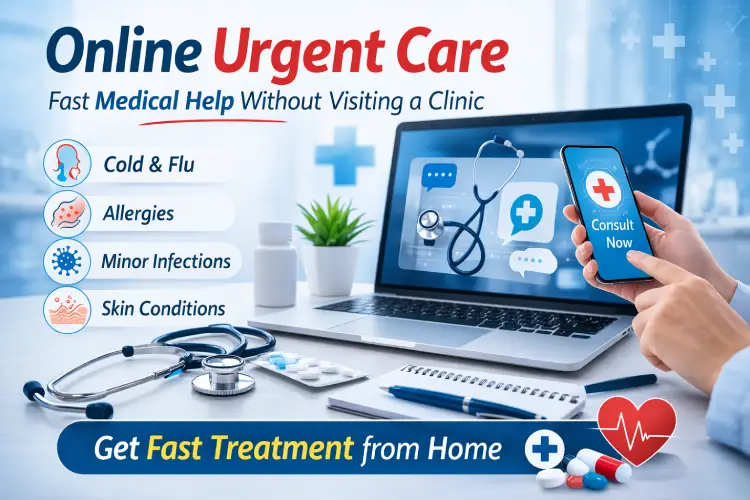
When you suddenly feel sick, getting quick medical help is important. However, visiting a clinic or hospital often involves long waiting times, travel, and inconvenience. This is where online urgent care becomes a valuable solution.
Online urgent care allows patients to consult qualified healthcare professionals through secure virtual appointments. Instead of waiting hours at a clinic, patients can receive medical advice, diagnosis, and treatment recommendations from the comfort of their homes.
With the growth of telehealth services, online urgent care is becoming one of the most convenient ways to treat minor illnesses and health concerns quickly.
What Is Online Urgent Care?
Online urgent care is a type of virtual healthcare service that provides quick medical consultations for non-emergency health issues.
Patients can connect with licensed healthcare professionals through:
-
Video consultations
-
Phone appointments
-
Secure online messaging
These consultations allow doctors to evaluate symptoms, provide medical advice, and recommend appropriate treatments without requiring an in-person visit.
Online urgent care is designed for non-life-threatening conditions that still require timely medical attention.
Common Health Issues Treated with Online Urgent Care
Many everyday health problems can be safely evaluated and treated through online urgent care consultations.
Some of the most common conditions include:
Cold and Flu Symptoms
Seasonal illnesses such as colds and flu are among the most common reasons patients seek medical care.
Online doctors can help evaluate symptoms like:
-
Fever
-
Sore throat
-
Cough
-
Fatigue
-
Body aches
Based on the symptoms, doctors may recommend treatments, medications, or additional care instructions.
Allergies
Allergies can cause uncomfortable symptoms that affect daily life. Virtual consultations allow patients to quickly receive professional advice for symptoms such as:
-
Sneezing
-
Itchy eyes
-
Runny nose
-
Skin irritation
Healthcare professionals can recommend appropriate medications and preventive strategies.
Minor Infections
Many minor infections can also be evaluated through online urgent care.
These may include:
-
Sinus infections
-
Ear infections
-
Mild respiratory infections
-
Minor skin infections
Doctors can assess symptoms and guide patients toward the most suitable treatment.
Skin Conditions
Virtual consultations are also helpful for evaluating various skin concerns.
Patients often seek online urgent care for conditions such as:
-
Rashes
-
Acne flare-ups
-
Mild allergic reactions
-
Skin irritation
Doctors may recommend treatments or refer patients for specialized dermatology care if necessary.
Benefits of Online Urgent Care
Faster Medical Attention
One of the biggest advantages of online urgent care is speed. Patients can usually schedule a virtual consultation much faster than a traditional clinic visit.
Quick access to healthcare professionals helps patients receive treatment sooner and manage symptoms more effectively.
Convenience and Comfort
Online urgent care eliminates the need to travel to a clinic, wait in crowded waiting rooms, or take time off work.
Patients can receive medical care:
-
From their home
-
During flexible appointment times
-
Without unnecessary travel
This level of convenience makes healthcare more accessible for many individuals.
Reduced Exposure to Illness
Visiting clinics or hospitals may expose patients to other contagious illnesses.
Online urgent care helps reduce this risk by allowing patients to consult doctors remotely, which is especially beneficial during cold and flu seasons.
Professional Medical Guidance
Even though consultations take place online, patients still receive care from qualified healthcare professionals.
Doctors evaluate symptoms, provide recommendations, and ensure that patients receive safe and appropriate treatment.
When to Use Online Urgent Care
Online urgent care is ideal for non-emergency health concerns that still require medical advice.
You should consider virtual urgent care when you experience:
-
Mild fever or cold symptoms
-
Minor infections
-
Allergies
-
Skin conditions
-
General health concerns
However, serious medical emergencies such as severe chest pain, breathing difficulty, or major injuries require immediate in-person medical attention.
The Future of Urgent Healthcare
The healthcare industry is rapidly evolving, and telehealth services are playing an important role in improving access to care.
Online urgent care is helping patients receive faster treatment, reduce healthcare costs, and access medical professionals without geographic limitations.
As technology continues to improve, virtual healthcare solutions will become even more efficient, making medical services easier to access for people around the world.
Conclusion
Online urgent care is transforming the way patients receive medical help for common illnesses. By providing quick, convenient, and professional consultations, virtual healthcare platforms make it easier than ever to access medical advice when it is needed.
For individuals with minor health concerns, online urgent care offers a reliable solution that saves time while ensuring quality medical support.
With the continued growth of telehealth services, virtual urgent care is becoming an essential part of modern healthcare.
Losing weight can be challenging, especially when many diets and weight loss methods promise quick results but fail to provide long-term success. While some people try restrictive diets or intense workout plans, these approaches often lead to temporary results or even health complications.
A medical weight loss program offers a safer and more effective alternative. Unlike traditional diet plans, medical weight loss programs are designed and supervised by healthcare professionals who understand how the body responds to nutrition, lifestyle changes, and medical conditions.
These programs focus on creating personalized strategies that help individuals achieve sustainable weight loss while improving overall health. In this article, we will explore how medical weight loss programs work and why they are one of the most reliable ways to manage weight.
What Is a Medical Weight Loss Program?
A medical weight loss program is a structured weight management plan developed by healthcare professionals. It combines medical expertise, nutrition guidance, and lifestyle changes to help patients lose weight safely.
Unlike standard diet plans, medical weight loss programs consider important factors such as:
-
Medical history
-
Current health conditions
-
Metabolism and hormonal balance
-
Lifestyle habits
-
Long-term health goals
By analyzing these factors, doctors can design a personalized weight loss strategy that is both safe and effective.
Why Traditional Diets Often Fail
Many people attempt to lose weight by following popular diet trends found online. While some diets may produce short-term results, they often fail because they do not address the underlying causes of weight gain.
Common reasons why traditional diets fail include:
-
Lack of professional medical guidance
-
Extreme calorie restrictions
-
Unsustainable eating habits
-
Ignoring metabolic or hormonal issues
When individuals follow unrealistic diet plans, they may lose weight temporarily but eventually regain it. This cycle is commonly known as yo-yo dieting, which can negatively impact both physical and mental health.
Medical weight loss programs help break this cycle by focusing on long-term lifestyle changes rather than quick fixes.
Benefits of a Medical Weight Loss Program
1. Personalized Weight Loss Plans
One of the biggest advantages of a medical weight loss program is personalization. Every individual has a unique body type, metabolism, and health condition.
Healthcare professionals design customized plans that may include:
-
Nutritional guidance
-
Calorie management
-
Exercise recommendations
-
Behavioral coaching
This personalized approach increases the chances of achieving sustainable weight loss results.
2. Professional Medical Supervision
Weight loss is not just about reducing calories. In many cases, underlying medical conditions such as hormonal imbalances or metabolic disorders can affect weight management.
Medical supervision ensures that patients lose weight safely without harming their health. Doctors can also monitor progress and adjust treatment plans when necessary.
3. Long-Term Weight Management
Many weight loss methods focus only on losing weight quickly. However, maintaining weight loss is often the biggest challenge.
Medical weight loss programs emphasize long-term lifestyle improvements, including:
-
Healthy eating habits
-
Sustainable exercise routines
-
Stress management
-
Behavioral changes
These strategies help individuals maintain their results and prevent weight regain.
4. Improved Overall Health
Excess weight can increase the risk of several health conditions, including:
-
High blood pressure
-
Diabetes
-
Heart disease
-
Joint pain
By achieving and maintaining a healthy weight, patients can significantly improve their overall health and reduce the risk of chronic diseases.
Medical weight loss programs focus on improving both weight and overall wellness.
5. Continuous Support and Guidance
Another important benefit of medical weight loss programs is ongoing support. Weight loss journeys can be challenging, and having professional guidance can make a significant difference.
Patients often receive:
-
Regular check-ins with healthcare professionals
-
Progress tracking
-
Motivation and accountability
-
Adjustments to their weight loss plan
This support helps individuals stay committed to their goals and achieve better results.
How Virtual Healthcare Makes Weight Loss Easier
With modern telehealth services, medical weight loss programs are now more accessible than ever. Patients can consult healthcare professionals through secure online appointments without visiting a clinic in person.
Virtual weight loss programs allow patients to:
-
Schedule convenient online consultations
-
Receive personalized treatment plans
-
Monitor progress with professional support
-
Get expert advice from the comfort of home
This modern approach combines the benefits of medical supervision with the convenience of virtual healthcare.
Who Should Consider a Medical Weight Loss Program?
A medical weight loss program can be beneficial for individuals who:
-
Struggle to lose weight through traditional dieting
-
Have health conditions related to weight
-
Need professional guidance for weight management
-
Want a safe and sustainable approach to losing weight
Consulting a healthcare professional can help determine the most suitable weight loss strategy for each individual.
Conclusion
Achieving and maintaining a healthy weight requires more than just temporary diet changes. A medical weight loss program provides a structured and medically supervised approach that focuses on long-term success.
By combining personalized nutrition plans, professional guidance, and ongoing support, these programs help individuals lose weight safely while improving their overall health.
If you are looking for a reliable way to manage your weight, a medical weight loss program can provide the expert support and personalized care needed to achieve lasting results.
Healthcare has changed significantly in recent years, and one of the biggest innovations is virtual healthcare. Instead of visiting a clinic and waiting in long queues, patients can now consult with qualified medical professionals from the comfort of their homes.
Virtual healthcare, also known as telehealth or online doctor consultation, allows patients to connect with healthcare providers through secure online platforms. This modern approach to healthcare is becoming increasingly popular because it saves time, improves accessibility, and provides convenient medical support whenever it is needed.
In this article, we will explore the key benefits of virtual healthcare and why more people are choosing online medical consultations.
What Is Virtual Healthcare?
Virtual healthcare refers to medical services provided through digital communication technologies such as video calls, phone consultations, and secure messaging platforms.
Patients can consult doctors, receive medical advice, and even get treatment plans without physically visiting a medical clinic.
Virtual healthcare services commonly include:
-
Online doctor consultations
-
Medical weight loss programs
-
Urgent care for minor illnesses
-
Skincare and dermatology advice
-
Follow-up appointments
This modern healthcare approach allows patients to receive professional medical support quickly and conveniently.
1. Convenience and Accessibility
One of the biggest advantages of virtual healthcare is convenience. Patients no longer need to travel long distances or wait hours in crowded waiting rooms.
With virtual consultations, you can:
-
Book an appointment online
-
Speak to a doctor from home
-
Receive medical advice quickly
This is especially helpful for individuals with busy schedules, mobility issues, or limited access to nearby healthcare facilities.
Virtual healthcare ensures that medical support is always within reach.
2. Faster Access to Medical Care
Traditional clinic visits often involve long waiting times, especially for non-emergency conditions. Virtual healthcare allows patients to connect with doctors much faster.
For many minor health concerns, patients can receive medical advice within minutes or hours instead of days.
This makes virtual healthcare an excellent option for treating issues such as:
-
Cold and flu symptoms
-
Minor infections
-
Allergies
-
Skin conditions
-
General medical questions
Quick access to care helps patients feel better sooner and prevents minor issues from becoming more serious.
3. Safe and Secure Medical Consultations
Many patients worry about privacy when using online healthcare services. However, reputable virtual healthcare platforms use secure and encrypted technology to protect patient information.
During an online consultation, patients can safely discuss their symptoms, medical history, and treatment options with qualified healthcare professionals.
This ensures that patients receive confidential and professional medical guidance without compromising their privacy.
4. Cost-Effective Healthcare Option
Virtual healthcare can also help reduce healthcare costs. Traditional medical visits often involve expenses such as transportation, parking, and time away from work.
Online consultations eliminate many of these costs while still providing access to professional medical advice.
For many patients, virtual healthcare offers an affordable and efficient way to receive medical care without unnecessary expenses.
5. Ideal for Weight Loss and Wellness Programs
Virtual healthcare platforms are particularly effective for medical weight loss programs and wellness consultations.
Patients can receive:
-
Personalized weight loss plans
-
Nutritional guidance
-
Progress monitoring
-
Ongoing support from healthcare professionals
Regular virtual check-ins allow doctors to track progress and adjust treatment plans to ensure the best possible results.
This approach helps patients stay motivated and achieve long-term weight management success.
6. Improved Access to Healthcare Specialists
In many locations, finding a healthcare specialist can be difficult. Virtual healthcare makes it easier for patients to connect with experienced professionals regardless of their location.
Patients can access:
-
Medical specialists
-
Dermatology consultations
-
Urgent care providers
-
Wellness experts
This expanded access ensures patients receive the best possible medical advice without geographic limitations.
The Future of Healthcare Is Digital
The healthcare industry continues to evolve, and virtual healthcare is becoming an essential part of modern medical services.
With advances in technology, online healthcare platforms now provide:
-
Secure video consultations
-
Digital prescriptions
-
Remote patient monitoring
-
Online appointment scheduling
These innovations make healthcare more accessible, efficient, and patient-focused.
As more patients experience the benefits of telehealth services, virtual healthcare is expected to play an even bigger role in the future of medicine.
Conclusion
Virtual healthcare has transformed the way patients access medical services. By combining technology with professional medical expertise, it provides a convenient and effective alternative to traditional clinic visits.
From faster consultations and improved accessibility to cost savings and personalized care, the benefits of virtual healthcare are clear.
If you are looking for a modern, convenient way to manage your health, virtual healthcare services can provide the support and guidance you need without leaving your home.